

Choosing the best event staff app is no longer a nice-to-have for agencies. It is a critical operational decision that directly affects delivery, compliance, and profitability.
Agencies managing large temporary workforces need more than basic scheduling. They need control, clarity, and consistency across every event.
This guide explains what “best event staff” actually means in practice, what agencies should look for in an event staff app, and how to assess whether a platform is fit for long-term growth.
5 Pillars Agencies Use to Choose the Best Event Staff App
Many agencies struggle to choose the best event staff app because they compare feature lists rather than how a platform supports day-to-day operations. In practice, confident decisions are made by evaluating how well a system supports the realities of event delivery.
Agencies that consistently deliver high-quality events assess platforms against five operational pillars.
These pillars reflect how event staffing businesses actually work, not how generic software is marketed.
The five pillars agencies should look for are:
- Scheduling control across multiple events, roles, and locations
- Clear communication that reaches staff at the right time
- Workforce visibility across all clients and live projects
- Built-in compliance without manual chasing or risk
- Scalability that supports growth without increasing admin
A platform that performs well across all five pillars is far more likely to support reliable delivery, reduce operational strain, and scale in tandem with the agency.
How Agencies Define the Best Event Staff
When agencies search for the best event staff, they are rarely talking about individuals. They are looking for a system that helps them manage people at scale without friction.
For agencies, “best” is defined by reliability, consistency, and operational readiness. It reflects how confidently teams can deliver events under pressure, manage last-minute change, and maintain standards across multiple clients, locations, and event types.
- Staff who receive clear instructions
- Teams that turn up prepared and on time
- Accurate availability and scheduling
- Reliable communication before, during, and after events
- Compliance handled without manual chasing
An event staff app is the foundation that makes this possible. Without the right app in place, even the strongest staffing pool becomes difficult to manage.
Why Agencies Need an Event Staff App, Not Just Software
Many agencies still rely on spreadsheets, messaging apps, and disconnected tools. While these methods may work at a small scale, they break down quickly as event volume increases.
An event staff app is different from generic workforce software because it is designed for:
- Multiple clients and projects running at once
- Large pools of temporary and freelance staff
- Last-minute changes and live event conditions
- Clear separation between agency control and staff access
The best event staff app becomes the central operational hub for your agency. It connects scheduling, communication, availability, and compliance in one place.
The Real Problems the Event Staff App Should Solve
Before choosing a platform, it is important to be clear about the problems you are trying to fix.
Most agencies face the same challenges.

Scheduling complexity
As event volumes increase, manual scheduling quickly becomes unreliable. Spreadsheets and ad hoc tools make it difficult to see accurate availability, leading to clashes, double bookings, or gaps that only become obvious at the last minute.
A purpose-built event staff app brings scheduling into one central system. It allows agencies to plan confidently, avoid conflicts, and make changes quickly when event requirements shift
Communication gaps
Event delivery depends on clear, timely communication, yet many agencies still rely on email threads, text messages, or multiple messaging apps.
Important updates get missed, staff are unsure where to check information, and managers spend time chasing responses instead of focusing on delivery. This creates unnecessary pressure, particularly during busy periods.
Using a single, structured communication channel ensures staff always know where to find job details and updates, reducing confusion and last-minute issues.
Limited visibility across clients and events
As agencies take on more clients and overlapping projects, visibility quickly becomes one of the biggest operational risks. When teams rely on fragmented tools, it becomes difficult to see who is working where, which roles are covered, and where gaps are emerging across live events.
This lack of visibility often forces teams into reactive decision-making. Issues are only identified once they affect delivery, increasing pressure on project managers and reducing confidence across the wider operation.
An effective event staff app provides a real-time overview across all events, roles, and clients. This allows agencies to identify potential issues early, reallocate staff quickly, and maintain control even when schedules change at short notice.
For agencies operating at scale, visibility is not just a reporting feature. It is the difference between predictable delivery and constant firefighting.
Compliance pressure
Right-to-work checks, agreements, and documentation are essential, but they are often tracked manually or stored across different systems.
This approach increases risk, particularly when agencies are operating at scale or under time pressure. Missing or outdated records can lead to serious issues for both agencies and clients.
Digital compliance tools help keep documentation organised, accessible, and up to date, reducing risk and manual effort.
Admin overload
Many agencies lose valuable time to repetitive admin tasks such as confirming availability, updating records, and responding to routine questions.
As workloads grow, this admin burden can slow teams down and limit capacity. Automating these processes allows agencies to focus on higher-value work, without adding unnecessary overhead.
A well-designed event staff app addresses these challenges directly, helping agencies stay organised, responsive, and in control as they scale.
What to Look for in the Best Event Staff App
Not all platforms are built for agencies. When assessing options, these are the core areas that matter most.
| Evaluation area | What agencies should look for | Why this matters |
|---|---|---|
| Scheduling control | Ability to schedule across multiple events, roles, and locations with real-time availability. | Prevents clashes, double bookings, and last-minute gaps that disrupt delivery. |
| Communication | One central channel for job details, updates, and changes. | Reduces missed messages, confusion, and time spent chasing staff. |
| Workforce visibility | A live overview of who is working where across all clients and projects. | Helps teams spot issues early instead of reacting under pressure. |
| Compliance management | Digital handling of right-to-work checks, documents, and agreements. | Reduces risk and removes the need for manual chasing. |
| Staff experience | Clear access to schedules, instructions, and updates in one place. | Improves reliability, preparedness, and staff retention. |
| Agency control | Full control over approvals, access, and data ownership. | Helps maintain professional standards as operations scale. |
| Scalability | Ability to handle growth without adding admin or complexity. | Supports long-term growth without operational strain. |
1. Centralised Staff Scheduling
Scheduling is the backbone of any event staffing operation.
The best event staff app should allow agencies to:
- Schedule staff across multiple events and roles
- See availability in real time
- Avoid clashes automatically
- Make changes quickly without confusion
A centralised scheduling system reduces errors and gives project managers confidence that every role is covered.
Agencies that rely on spreadsheets or generic rota tools often struggle here, especially when managing overlapping projects.
2. Clear, Structured Communication
Communication is where many events fail.
The best event staff app provides:
- One consistent channel for staff updates
- Clear job details accessible at any time
- Instant notifications for changes
- Reduced reliance on personal messaging apps
When staff know exactly where to check information, agencies spend less time answering the same questions repeatedly.
A dedicated event staff communication system also protects professionalism and data security.
For example, Liveforce includes built-in communication tools designed specifically for event teams.
3. A Purpose-Built Staff App Experience
An event staff app must work for staff, but remain controlled by the agency.
The best event staff app gives staff:
- One place to view jobs and schedules
- Clear instructions and role details
- A single calendar across all assignments
At the same time, it ensures agencies retain full control over:
- Job creation
- Approvals
- Access permissions
- Data ownership
This balance is critical. A strong staff experience reduces dropouts and no-shows, while agency control maintains operational standards.
4. Staff Database and Availability Management
Agencies managing large pools of temporary workers need accurate, up-to-date information.
The best event staff app includes a central staff database where agencies can:
- Store profiles, skills, and experience
- Track availability accurately
- Match staff to the right roles
- Build long-term workforce relationships
This removes the guesswork from staffing decisions and helps agencies deliver consistently high standards.
Liveforce supports this through its staff database and CRM functionality.
5. Compliance Without Manual Chasing
Compliance is non-negotiable.
The best event staff app should support:
- Digital document collection
- Right-to-work checks
- Agreement tracking
- Clear audit trails
Handling compliance digitally reduces risk and saves significant admin time, especially for agencies operating across multiple locations and clients.
6. Visibility Across All Events
As agencies grow, visibility becomes harder to maintain.
The best event staff app gives managers:
- A real-time overview of all events
- Clear insight into staffing levels
- Confidence that nothing has been missed
This level of visibility is essential for agencies working across festivals, venues, hospitality, and promotional events.
Choosing the Right Event Staff App for Your Agency
Many articles claim to list the “best event staff apps” by ranking tools against each other. This approach rarely helps agencies make better decisions.
The reality is simple:
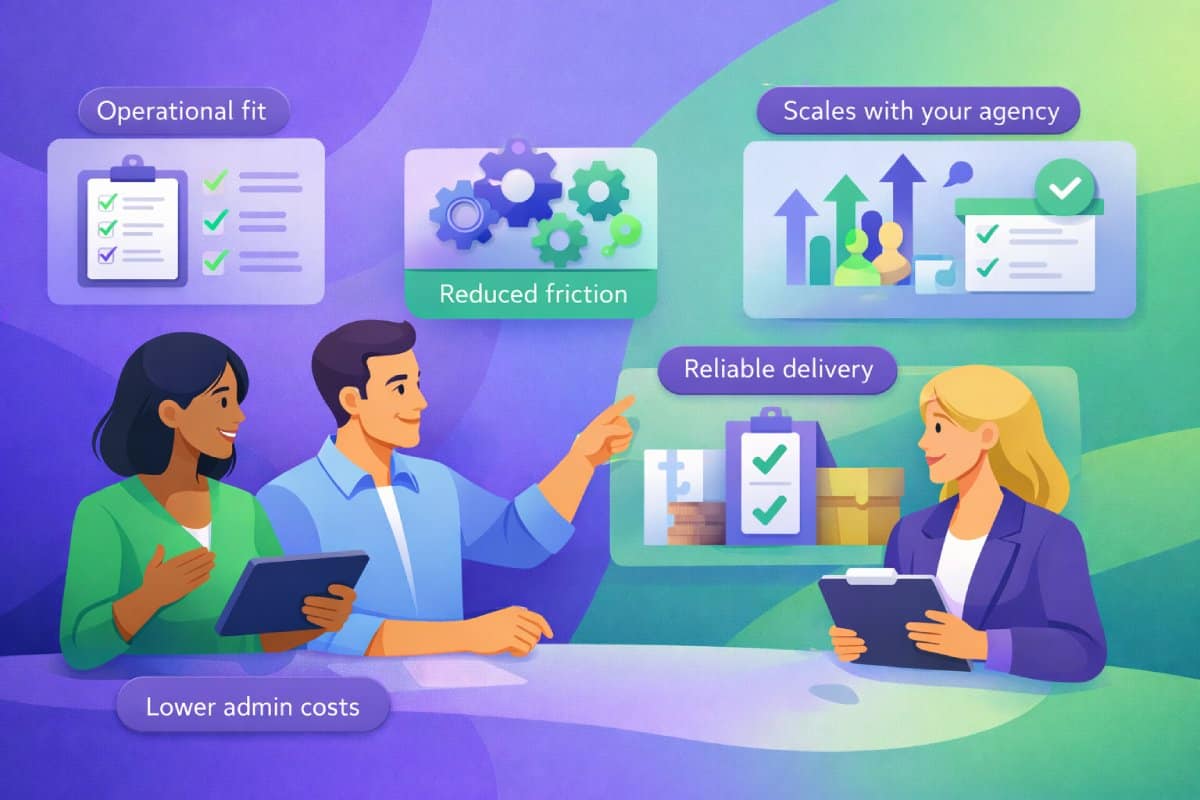
- The best event staff app is the one that fits your operational model
- It should reduce friction, not add features you will never use
- It should scale with your agency, not limit growth
Instead of focusing on rankings, agencies should focus on outcomes:
- Fewer errors
- Better communication
- Happier staff
- More reliable delivery
- Lower admin costs
By focusing on outcomes rather than rankings, agencies can make decisions that support long-term efficiency and growth.
How Liveforce Supports Agencies Managing the Best Event Staff
Liveforce is designed around how event staffing agencies actually operate. Rather than focusing on isolated features, Liveforce supports agencies across the five operational pillars that define a strong event staff app: scheduling control, communication, visibility, compliance, and scalability.
Agencies using Liveforce benefit from:
- Centralised scheduling across multiple events
- A dedicated event staff app experience
- Structured communication channels
- A unified staff database
- Clear visibility across all projects
This structure allows agencies to move from reactive staffing to predictable delivery, even as event volumes and workforce complexity increase.
When It Is Time to Invest in an Event Staff App
Agencies often delay investing in a proper event staff app until problems become unmanageable.
It is usually time to act when:
- Spreadsheets are no longer reliable
- Staff regularly miss updates
- Managers spend too much time chasing confirmations
- Compliance checks feel risky or disorganised
- Growth feels limited by internal processes
The best event staff app removes these blockers and creates a stable foundation for growth.
Choosing the best event staff app is about clarity, control, and confidence.
For agencies, the right platform should:
- Simplify scheduling
- Improve communication
- Reduce admin
- Support compliance
- Scale with your business
When these elements are in place, agencies are better equipped to manage the best event staff, deliver consistently high-quality events, and grow without operational strain.
If you are reviewing your current processes and looking for a more structured way to manage event staff, it may be time to assess whether your existing tools are still fit for purpose.
To see how Liveforce supports agencies managing the best event staff at scale, you can book a demo directly with Liveforce.
FAQs
What is the best event staff app for agencies?
The best event staff app for agencies is one that centralises scheduling, communication, availability, and compliance in a single system. It should support multiple events and scale as your agency grows, rather than focusing only on basic rota management.
What should agencies look for when choosing an event staff app?
Agencies should look for an event staff app that simplifies scheduling, improves staff communication, reduces manual admin, and provides clear visibility across all events. Support for compliance and real-time updates is also essential.
How does an event staff app improve event delivery?
An event staff app improves event delivery by ensuring staff receive clear instructions, timely updates, and accurate schedules. This reduces errors, last-minute issues, and no-shows, leading to more reliable and consistent event outcomes.
Is an event staff app suitable for large temporary workforces?
Yes. A purpose-built event staff app is designed to manage large pools of temporary or freelance staff across multiple projects. It helps agencies maintain control and visibility without increasing admin workload.
When should an agency invest in an event staff app?
An agency should invest in an event staff app when manual processes start causing scheduling errors, communication gaps, or admin overload. This is often the point where existing tools no longer support efficient growth.