
Running a multi-venue tournament is not just a sporting challenge. It is an operational one.
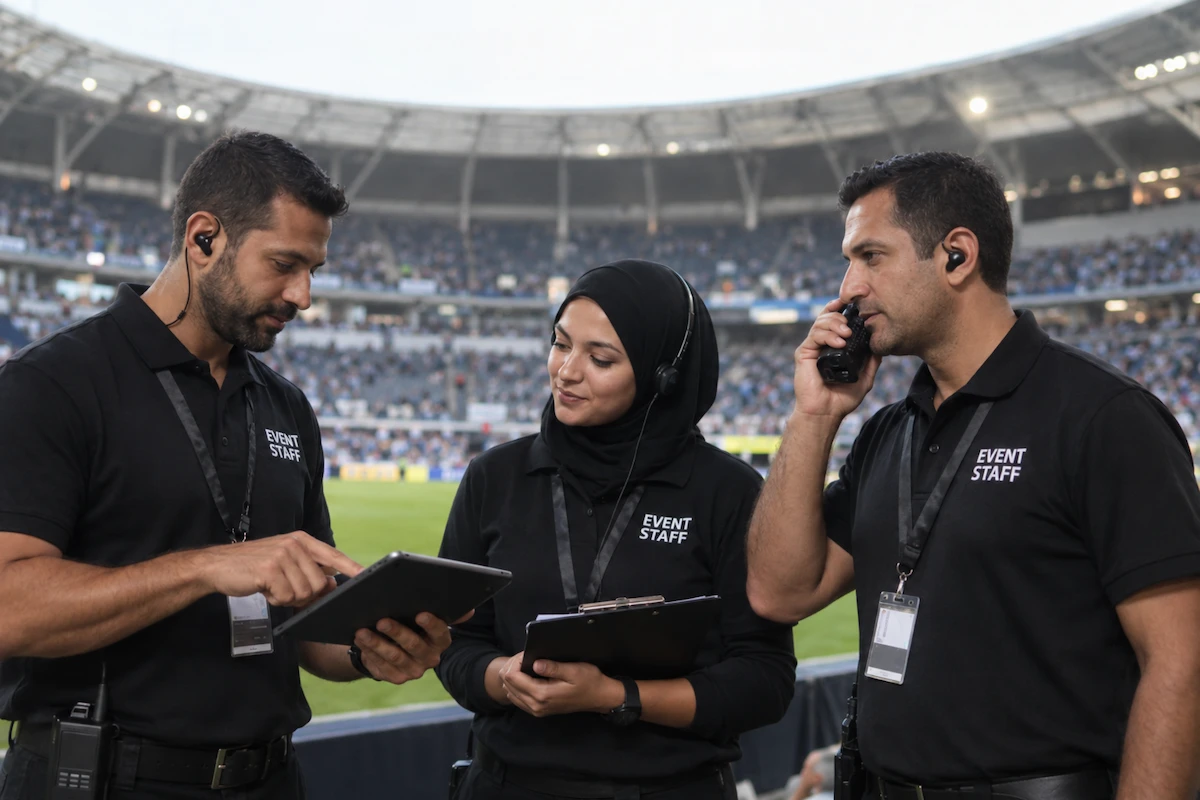
For the 2026 AFC U-23 Asian Cup, four stadiums, two cities, 16 national teams, and 32 matches across 19 days meant hundreds of staff deployed simultaneously across multiple locations.
Every match day required the right people, briefed consistently, confirmed in advance, and ready to work. Getting any part of that wrong was not a back-office problem. It was visible to every player, official, and spectator in the stadium.
Before Liveforce, the operations team managed that complexity the way many large-scale events teams still do:
- Spreadsheets for rotas,
- Email chains for confirmations, and
- Messaging groups for updates.
Each tool worked in isolation. None of them worked together.
Confirmations had to be chased individually. Briefings were distributed through separate channels and were difficult to track. When match schedules shifted or roles changed, pushing those updates quickly and consistently across four venues was a significant operational challenge.
With 19 days and 32 matches on the clock, the margin for coordination errors was narrow.
“When you're coordinating hundreds of staff across four venues, the gaps in a fragmented system don't stay invisible for long. Something always falls through, and at this scale, that something is visible to everyone.”

Managing a tournament from disconnected tools was not going to hold
The operations team needed accurate, real-time visibility across all four venues. They needed to confirm staff availability reliably, distribute briefings consistently, and respond to changes without manually updating multiple systems and re-sending information through multiple channels.
With groups running simultaneously across Riyadh and Jeddah in the first ten days alone, the coordination load was not just heavy. It was the kind of load that exposes every gap in a fragmented system.
Something had to change before the first ball was kicked.
One platform for every venue
The AFC integrated Liveforce into their tournament operations ahead of the 2026 event.
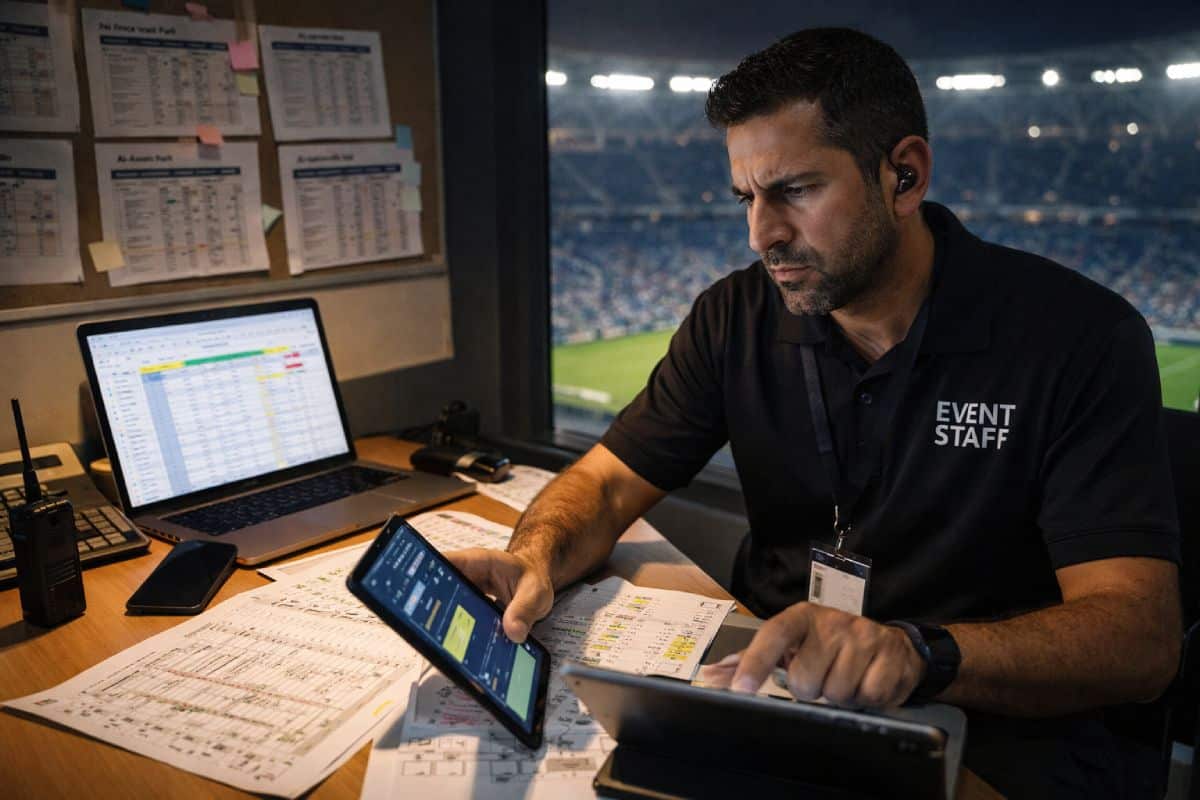
From one platform, the operations team scheduled and confirmed staff across all four venues, sent structured briefings, and tracked compliance from a single place.
What had previously required multiple tools, separate communications, and manual follow-up came together in one operational system. The team could see, at any point, what was happening across the full tournament workforce. Not just at one venue. All four.
- Availability confirmations
- Briefing delivery
- Rota updates
- Compliance checks
All ran through the same platform.
When changes occurred, updates were pushed centrally and staff were notified immediately. There was no need to cross-reference spreadsheets, send duplicate messages, or chase confirmations by phone.
What changed in practice
Across the tournament, the operations team used Liveforce to manage the core coordination tasks that had previously been spread across disconnected tools.
- Staff scheduling across four venues managed from a single, central rota.
- Availability confirmed through the platform, not email or phone.
- Briefings created, distributed, and tracked centrally before each match day.
- Compliance recordsstored in one place, accessible when needed.
- Last-minute changeswere pushed to staff through the platform with instant notification.
The Crew App gave staff direct access to their shift information, briefing materials, and real-time updates without the team having to send information through separate channels for each venue.
“Before, we were managing four separate sets of information that never quite matched. With Liveforce, the whole operation ran from one place. That alone changed how the team worked on match days.”
Before and after Liveforce

Before Liveforce
Staff confirmations chased manually via email and phone
Venue rotas managed separately in spreadsheets
Briefings distributed inconsistently through separate channels
Compliance tracked across disconnected documents
Last-minute changes sent via messaging groups

After Liveforce
Availability confirmed through the platform
One central schedule across all four venues
Structured briefings sent and tracked through Liveforce
Compliance records stored centrally in one place
Updates pushed through the platform with instant notifications

The difference
Less time chasing, faster confirmation at volume
No cross-venue confusion, updates pushed instantly
Every staff member received the same information on time
Faster checks, fewer gaps ahead of match days
Staff informed before arriving at the venue
What difference did it make?
Over the course of the 2026 AFC U-23 Asian Cup, the operations team managed over 500 staff deployments across four venues and 32 match days. Communication was consistent, rotas were visible in real time, and the team could respond to operational changes without generating the volume of manual follow-up that had previously been unavoidable.
The operational overhead of running a multi-venue tournament at this scale was, for the first time, proportionate to the task.
- Staff arrived informed.
- Updates reached the right people.
- The team focused on delivery rather than coordination.
For a governing body managing competitions across an entire continent, the ability to run event workforce operations from one centralised platform is not just an operational improvement. It is a structural one.
The same system that worked for the 2026 U-23 Asian Cup can be applied to any tournament the AFC runs at this scale.
“The briefing process alone saved us significant time. We knew exactly who had received their information and when. On the day, there were no gaps we hadn't already accounted for.”
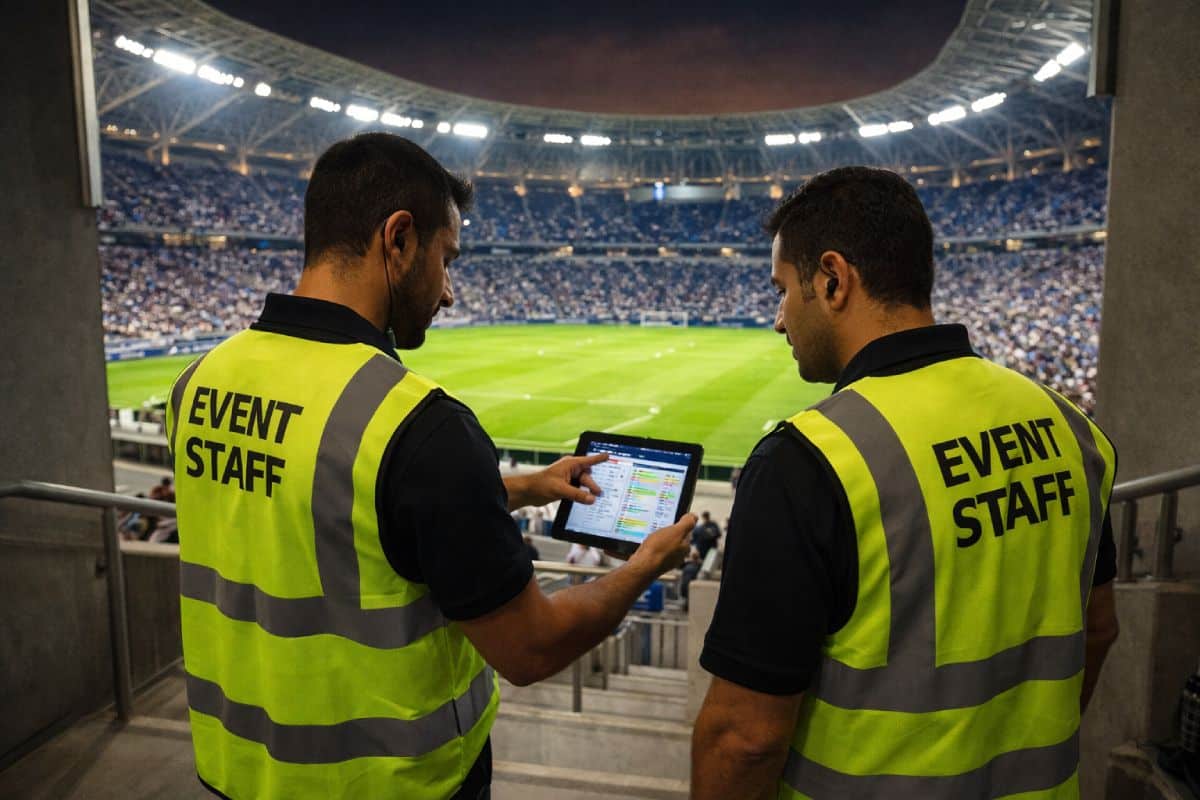
They did not just deliver a tournament. They delivered it with the structure and visibility that 32 matches across four venues demands, and they did it without the coordination chaos that events at this scale so often produce.