Managing an event budget can feel overwhelming. Between venue hire, catering, staffing, and the inevitable last-minute changes, costs can quickly spiral out of control.
Without a clear event cost breakdown, planners risk overspending and losing control of their resources. The good news is that with the right structure and tools, you can manage your budget effectively, reduce waste, and even save money on staffing.
In this guide, we’ll explore how to structure an event budget, common cost categories, and how tools like Liveforce help you manage staffing costs effectively. Whether you’re running a product launch, festival, or corporate conference, these insights will help you build a reliable budget and stick to it.

Take Control of Your Event Costs
What Is an Event Budget
An event budget is a financial plan that outlines all expected costs and revenue for an event. It’s essential for controlling spending, making informed decisions, and ensuring the event delivers a return on investment. A detailed budget gives visibility over where money is going and highlights areas where savings can be made.
Typical costs in an event budget include:
- Venue hire (often the largest single cost)
- Catering
- Staffing and crew
- Marketing and promotion
- Technology and equipment
- Insurance and permits
By planning these elements carefully, you not only prevent financial surprises but also strengthen your ability to negotiate with suppliers and crew.
Event Cost Breakdown: Fixed, Variable, and Unexpected Costs
To simplify your budget planning, start by categorising expenses into three groups:
Fixed Costs
These are unavoidable, non-negotiable expenses such as venue rental, AV equipment, and insurance. In most events, fixed costs can take up to 40% of your budget. Prioritising them early prevents disruption later.
Variable Costs
Variable costs fluctuate depending on the event size and goals. This category includes catering, event staffing costs, and marketing. On average, they account for 20–30% of your budget. Effective planning here is crucial to staying flexible.
Unexpected Costs
No matter how thorough your planning, surprises happen. Equipment breakdowns, last-minute guest requests, or extra staff requirements can all add up. Set aside 10–15% of your total event budget as a contingency fund.
Organising your costs into these categories creates a reliable event cost breakdown. This structure makes it easier to adjust spending when changes arise.
Staffing in Your Event Breakdown: Crew and Costs
Staffing is often underestimated in budget planning. However, your event breakdown crew can be one of the most significant variable costs. From brand ambassadors to highly skilled technicians, every role comes with different pay rates, contract terms, and scheduling complexities.
Key staffing costs to consider:
- Hourly wages and overtime
- Travel and accommodation for staff at large-scale events
- Training or briefing sessions
- Management overhead for scheduling and payroll
For agencies and organisers, staffing can account for up to 20% of total event management costs. This is where Liveforce comes in. With automated scheduling, shift updates, and timesheet management, Liveforce reduces staffing inefficiencies and helps event planners cut labour costs by up to 15%.
How to Manage an Event Budget Effectively
Efficient budget management requires clear priorities and the right tools. Here’s how to stay in control:
Prioritise Based on Event Goals
Not all events require the same budget allocations. For example:
- A product launch might dedicate 30% of costs to marketing.
- A networking event could focus more on venue quality and catering.
By aligning your budget with event goals, you make smarter spending choices.
Use Event Budget Software for Tracking
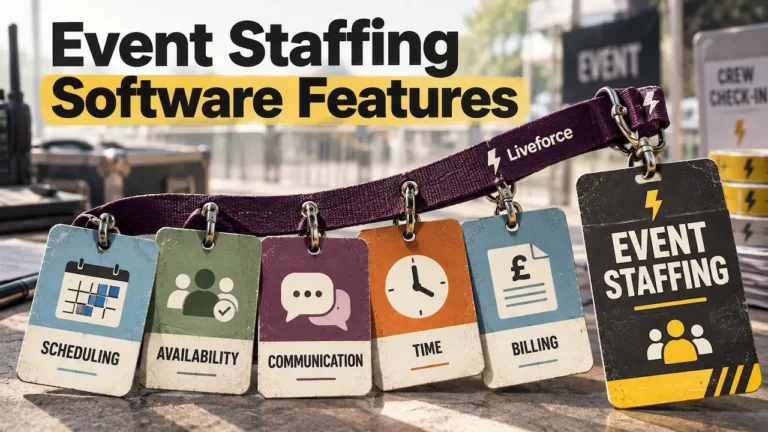
Manual spreadsheets are prone to error and lack flexibility. Dedicated event budget software offers real-time tracking and reporting. With Liveforce, staffing agencies and organisers can:
- Monitor wage costs as shifts are confirmed.
- Automate payments and timesheets.
- Adjust staffing levels instantly when event requirements change.
This level of control turns budget management into a proactive rather than reactive process.
Plan for Contingencies
Every event should include a buffer. By creating a budget for an event that includes contingency funds, you reduce stress and avoid last-minute overspending. Aim for 10–15% set aside, as mentioned earlier.
Event Budgeting Tips from Industry Experts
Here are five proven strategies for better event budgeting:
- Start Early – Lock in venues and suppliers well in advance to avoid premium last-minute rates.
- Track Every Expense – Even small purchases add up. Use budgeting software to keep everything recorded.
- Negotiate Contracts – Secure better terms with suppliers and staffing agencies by committing early or offering repeat business.
- Monitor Staffing Costs Closely – Use tools like Liveforce to avoid overstaffing and cut payroll errors.
- Review Post-Event – Analyse actual vs projected costs to improve planning for future events.
How Liveforce Helps You Save on Staffing Costs
Staffing can be the difference between staying within budget and overspending. With Liveforce, agencies and organisers gain:
- Real-time staff scheduling: Adjust crew levels instantly as event requirements change.
- Automated timesheets and payments: Cut payroll admin and avoid human error.
- Centralised crew communication: Keep your team updated without manual chasing.
As a result, Liveforce acts as an event budget management software that directly reduces labour costs and saves time. It’s not just about cutting expenses, but also improving crew satisfaction and operational efficiency.
Event budgets don’t have to be a source of stress. By structuring your costs, preparing for contingencies, and managing staffing effectively, you can keep your event on track and within budget.
With Liveforce, agencies and organisers gain powerful tools to control event staffing costs, one of the most variable and impactful budget categories. From real-time scheduling to automated payments, Liveforce helps you save money, reduce admin, and deliver successful events.
Ready to cut your staffing costs and take control of your next event budget? Book your Liveforce demo today!
Frequently asked questions
An event cost breakdown includes fixed costs (venue, equipment), variable costs (staffing, catering), and contingency funds.
Start by listing all fixed and variable costs, then allocate 10–15% for unexpected expenses. Use tools like Liveforce to manage staffing costs.
Staffing can account for up to 20% of the total event budget, depending on the scale and crew requirements.
Use real-time tracking tools and prioritise spending based on event goals. Liveforce helps you control staffing, one of the most flexible cost areas
Yes. Liveforce is designed for staffing agencies and organisers, offering scheduling, timesheets, and payroll automation to keep crew costs under control